Oregon Episcopal School - New Gymnasium
Portland, OR
Educational Sustainability
Energy Reduction
82%
Compared to CBEC’s Baseline
Gross Area
44,000
Square Feet of Project Area
Performance
15
Energy Use Intensity Index (EUI)
Project Facts
Location
Portland, OR
Project Type
Education
Energy Consultant
Seth Francis
Key Results
Implemented passive cooling strategies to eliminate cooling needs for 95% of the year
Highly-efficient radiant heating systems for optimal comfort and low carbon footprint
Conducted a ventilation analysis to optimize natural ventilation and cooling strategies
Implemented heat recovery systems to maximize indoor air quality and further reduce energy consumption
Analyzed intelligent shading strategies combined with daylighting for optimal natural light with controlled heat gain
Project Overview
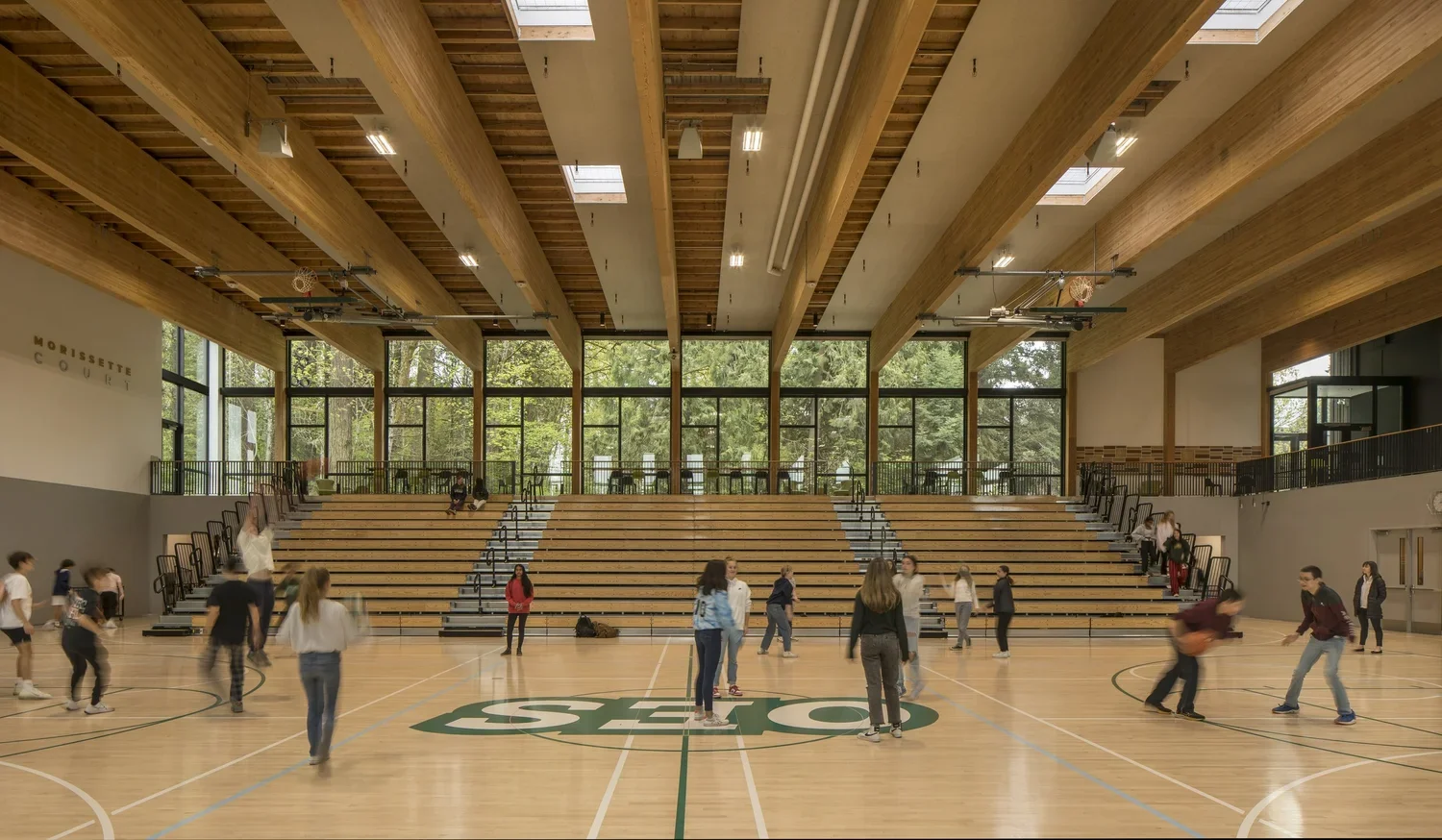
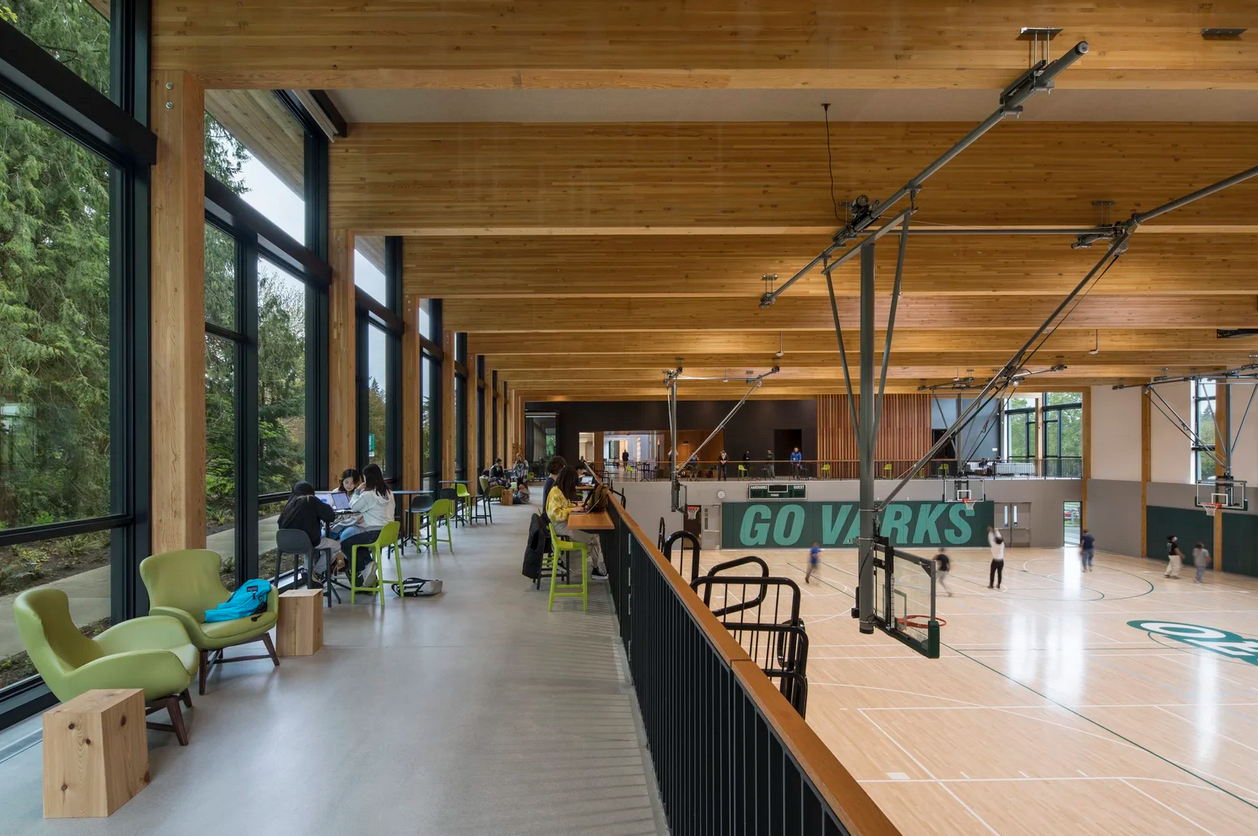
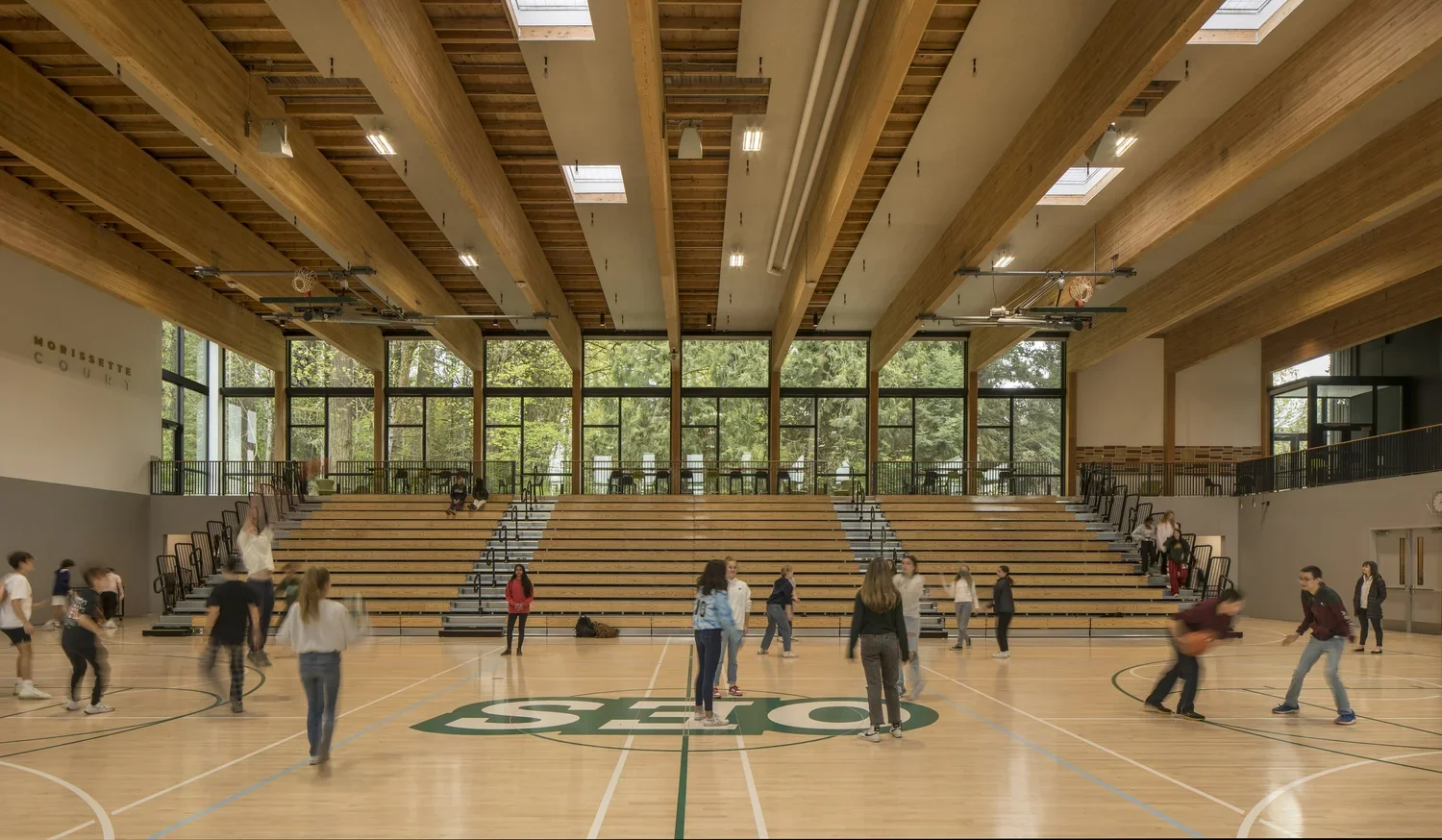
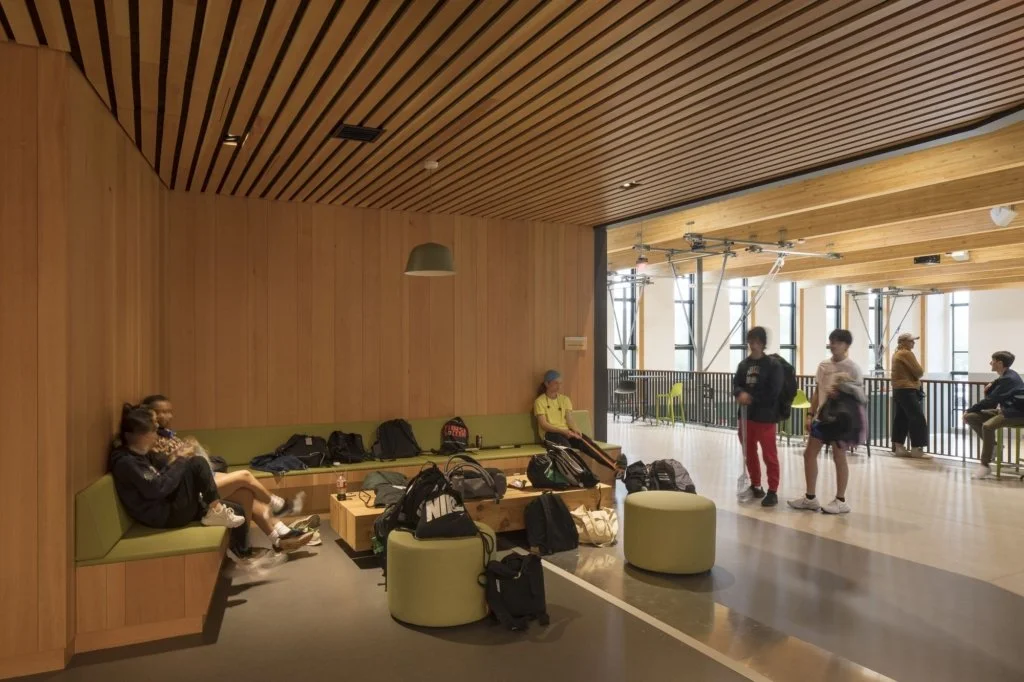
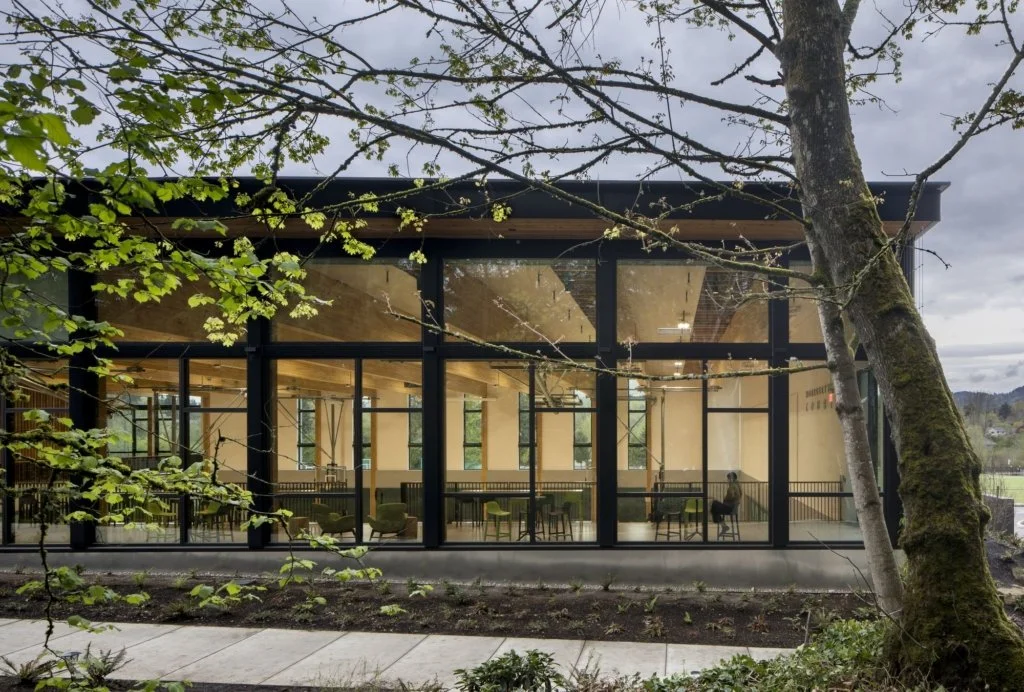
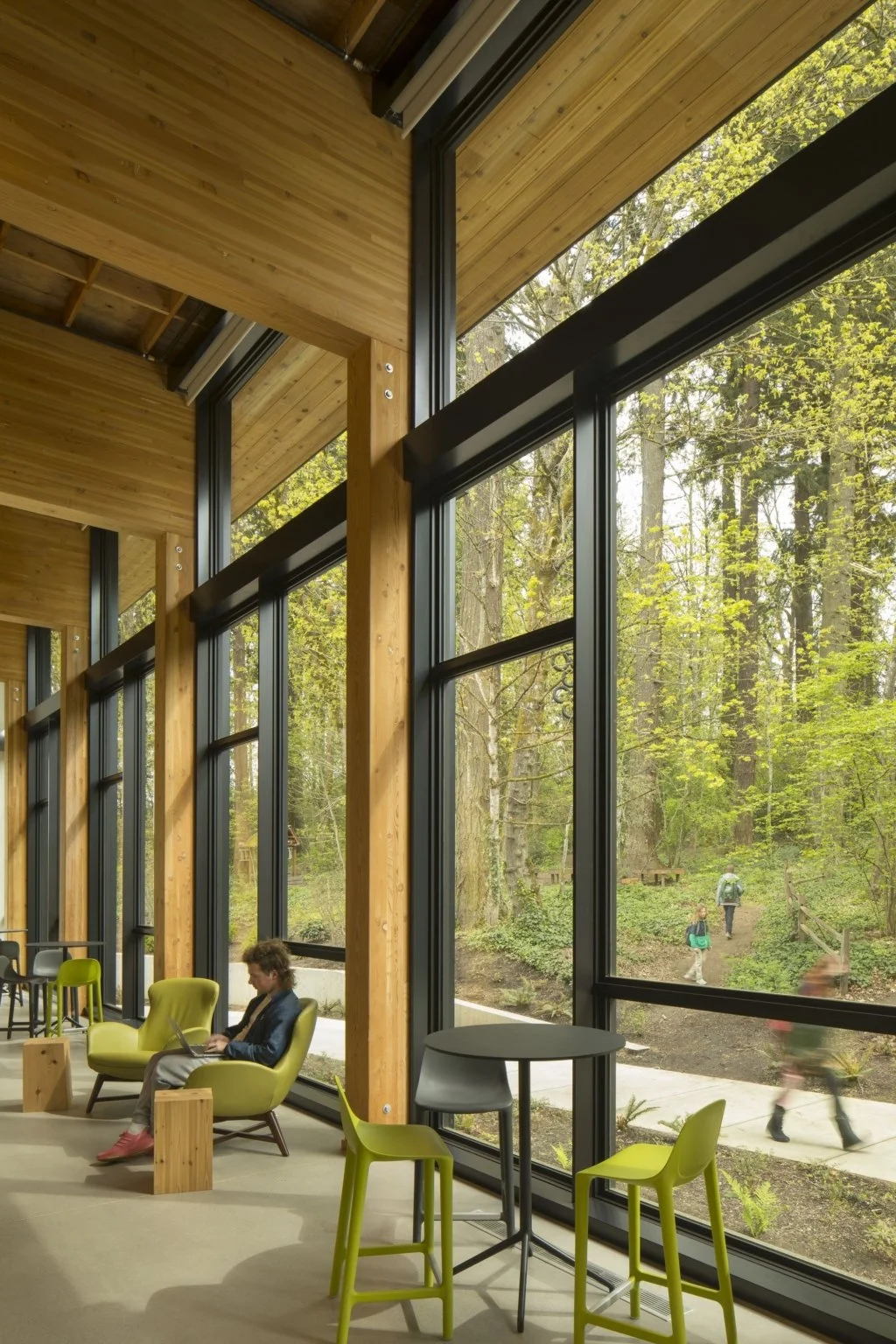
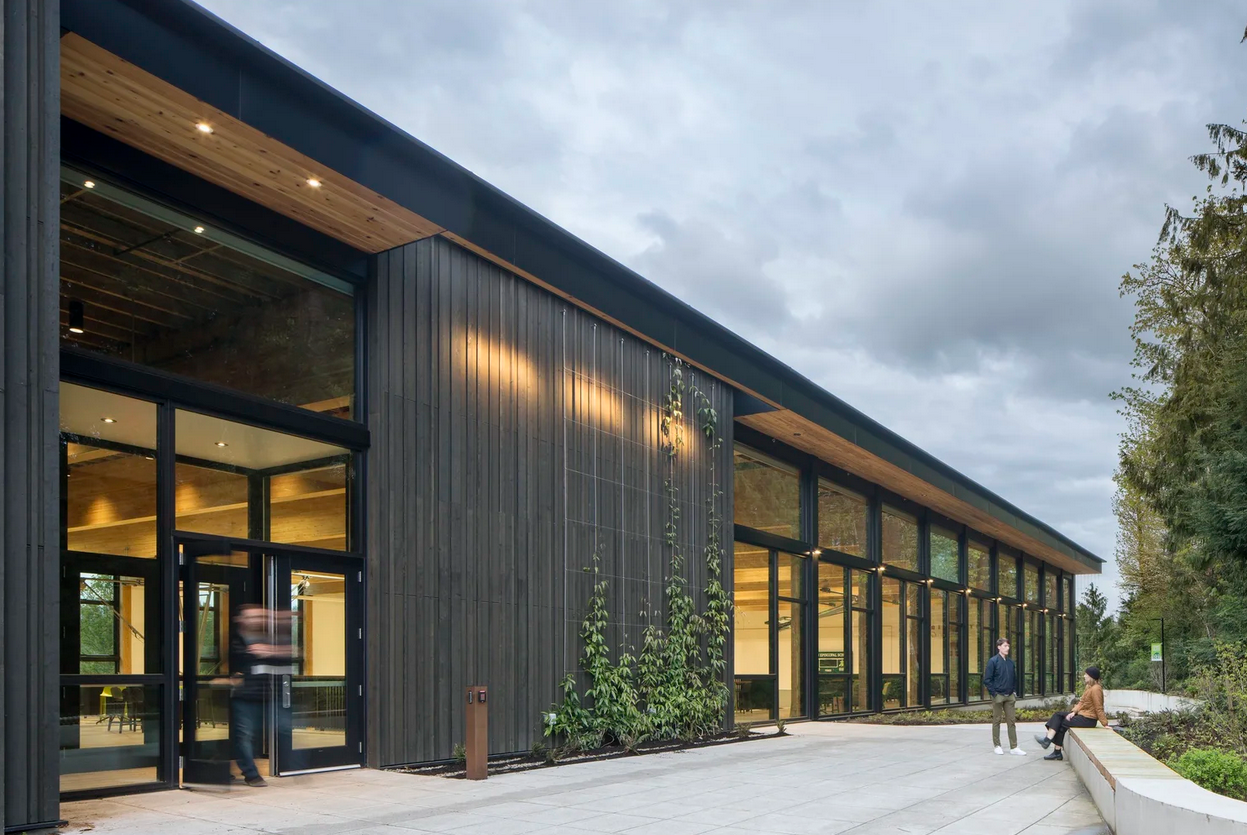
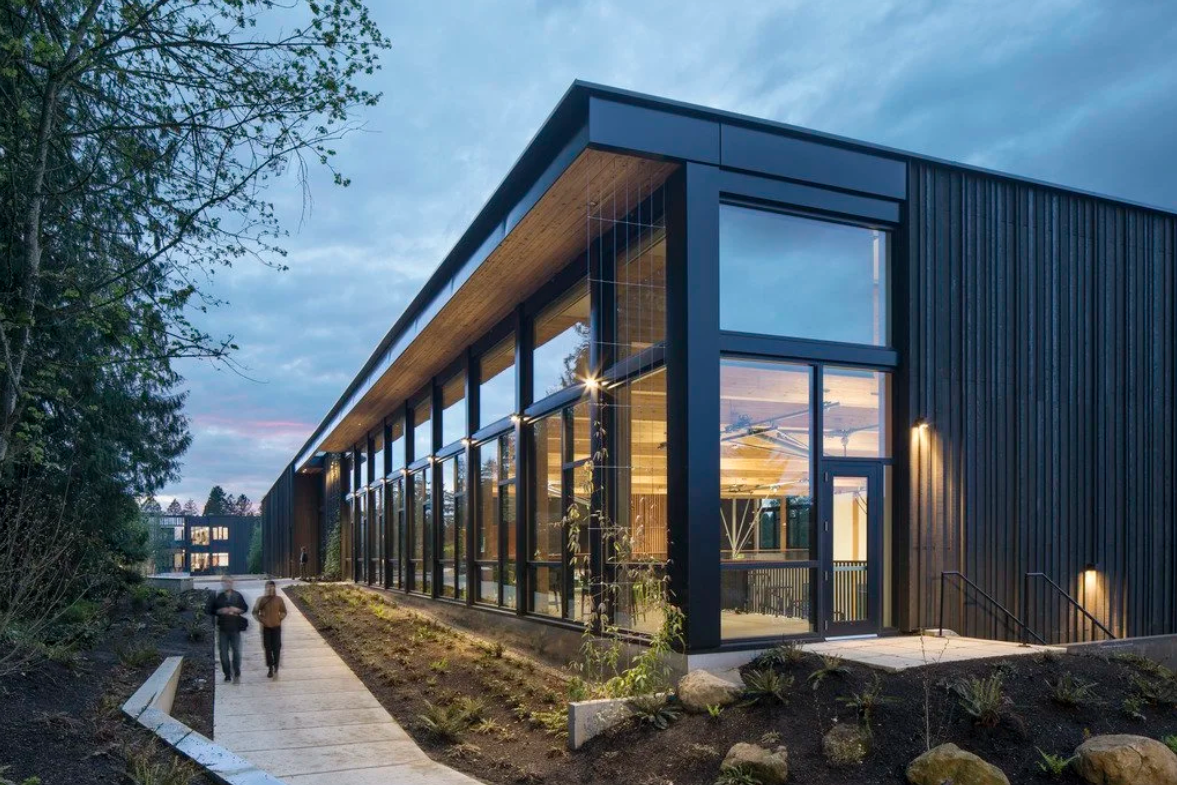
The Oregon Episcopal School new gymnasium project sought to deliver a playing area that would also serve as a resilient gathering space. As the lead energy modeler I used daylighting analysis to optimize window and skylight location along with daylighting sensors. I then performed a passive airflow analysis to create a passive cooling and natural ventilation strategy and minimize the need for conditioning systems. The final design uses automatic window actuators which are opened on one side of the building when conditions are optimal. Air is then pulled through these openings and through the bleachers, and moves up through the space to the natural turbine fans on the roof, evacuating stale, hot air from the space.
The highly efficient DOAS system with heat recovery provides backup ventilation when the passive system is not sufficient, and allows filtration if outdoor air conditions are poor. Ventilated air is delivered low to the playing area and viewing space. A radiant floor heating systems optimizes comfort in the building with very low energy consumption. Additional climate change analysis was performed to test the capacity of the system and comfort sensitivity in a worst case scenario for 30 year forecasting.
Intelligent shading analysis tested the impact of fins and overhangs to let the sun in for passive heating, and shading during peak cooling hours, allowing moderate comfort all year long with minimal mechanical cooling.
Ready to optimize your next project?
Join our network of industry leaders pioneering the future of sustainable design
Related Portfolio