Schade Residence
Cannon Beach, OR
High-Performance Single Family
Performance
18
Energy Use Intensity (EUI)
Renewable Energy
55%
Electricity Sourced with PV
Rainwater Potential
100%
Irrigation Water Offset
Project Facts
Location
Cannon Beach, OR
Project Type
Single-Family Residential
Energy Consultant
Seth Francis
Key Results
Achieved an EUI of 18, very high-performance for a luxury single-family building with high glazing area
Performed PV system analysis and sizing, for rooftop availability and fully Net Zero pathway
Optimized the envelope and systems and analyzed passive cooling potential
Guided owner towards radiant heating and cooling for maximum comfort and very-low energy consumption
Assisted in demonstrating local incentive support
Project Overview
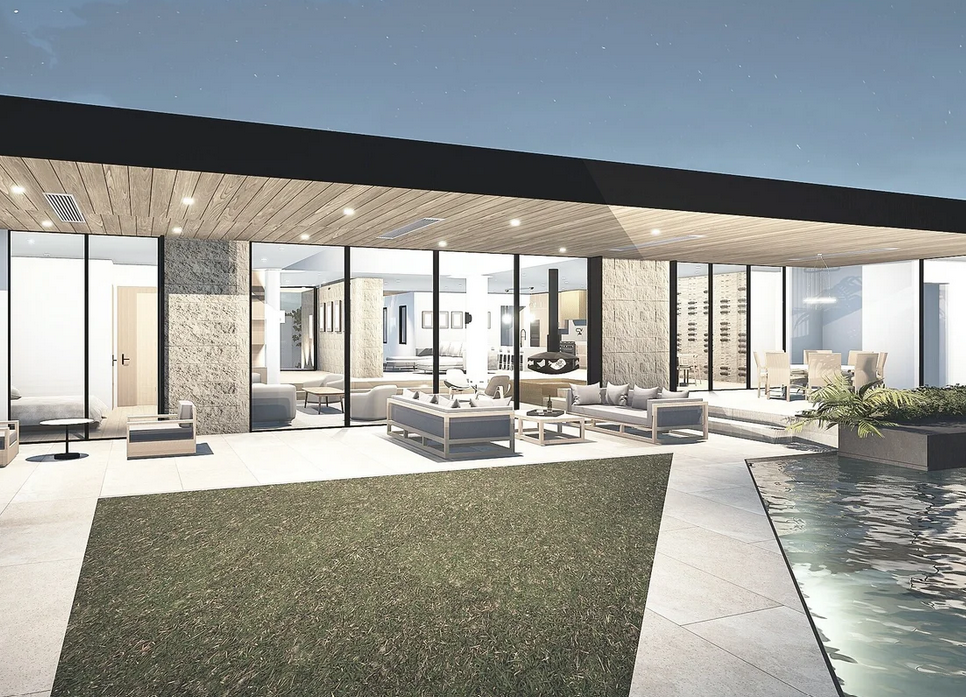
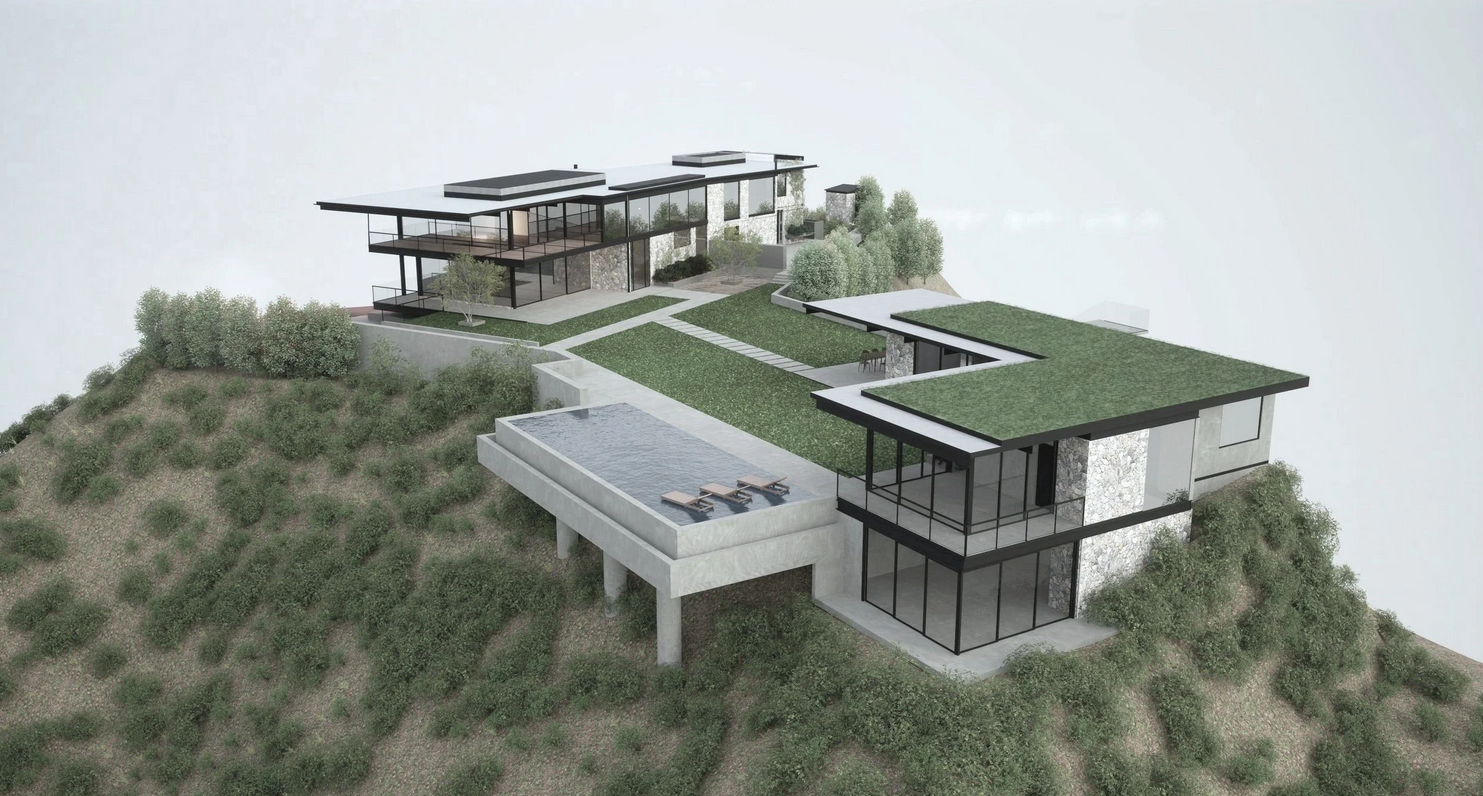
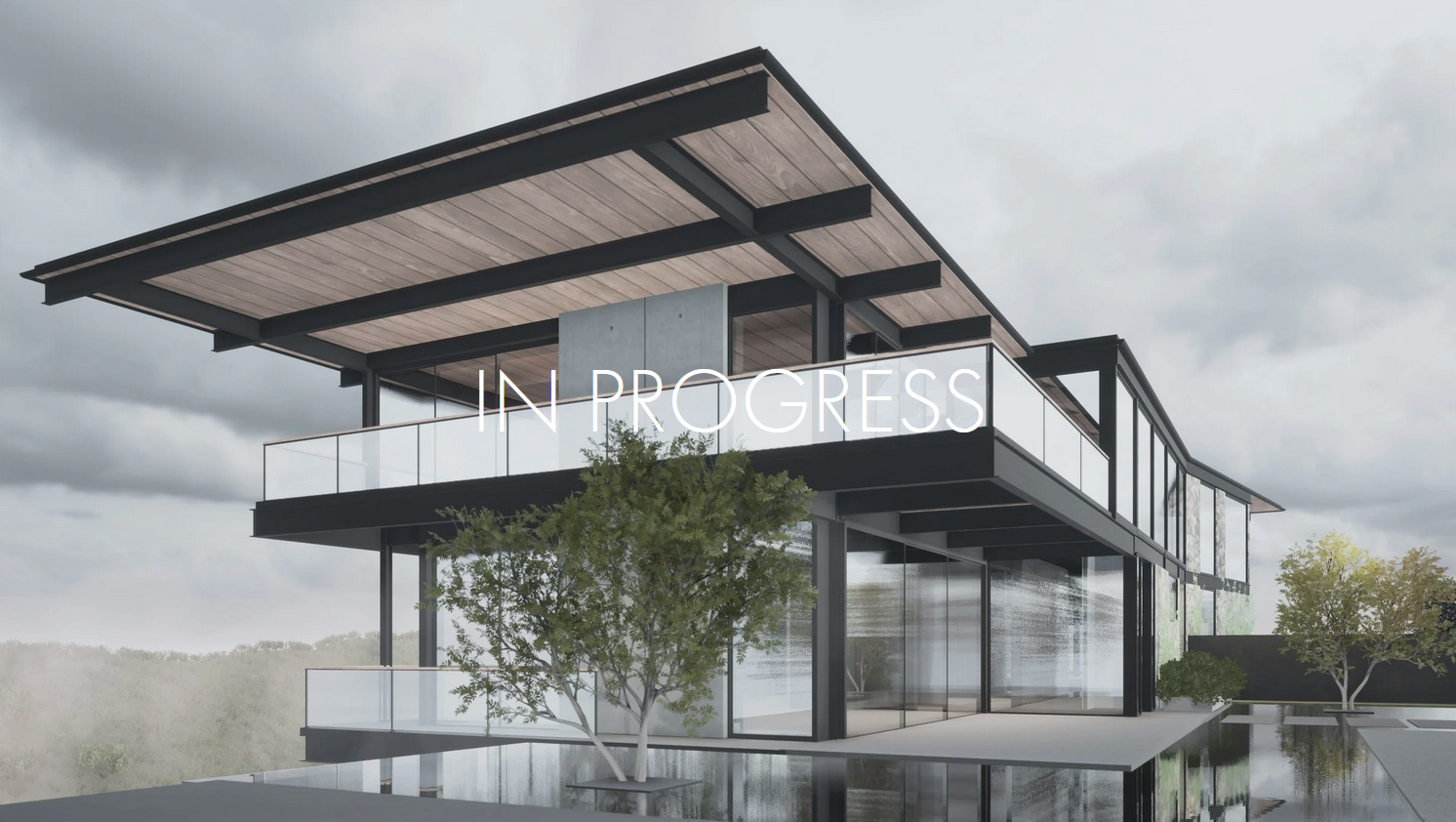
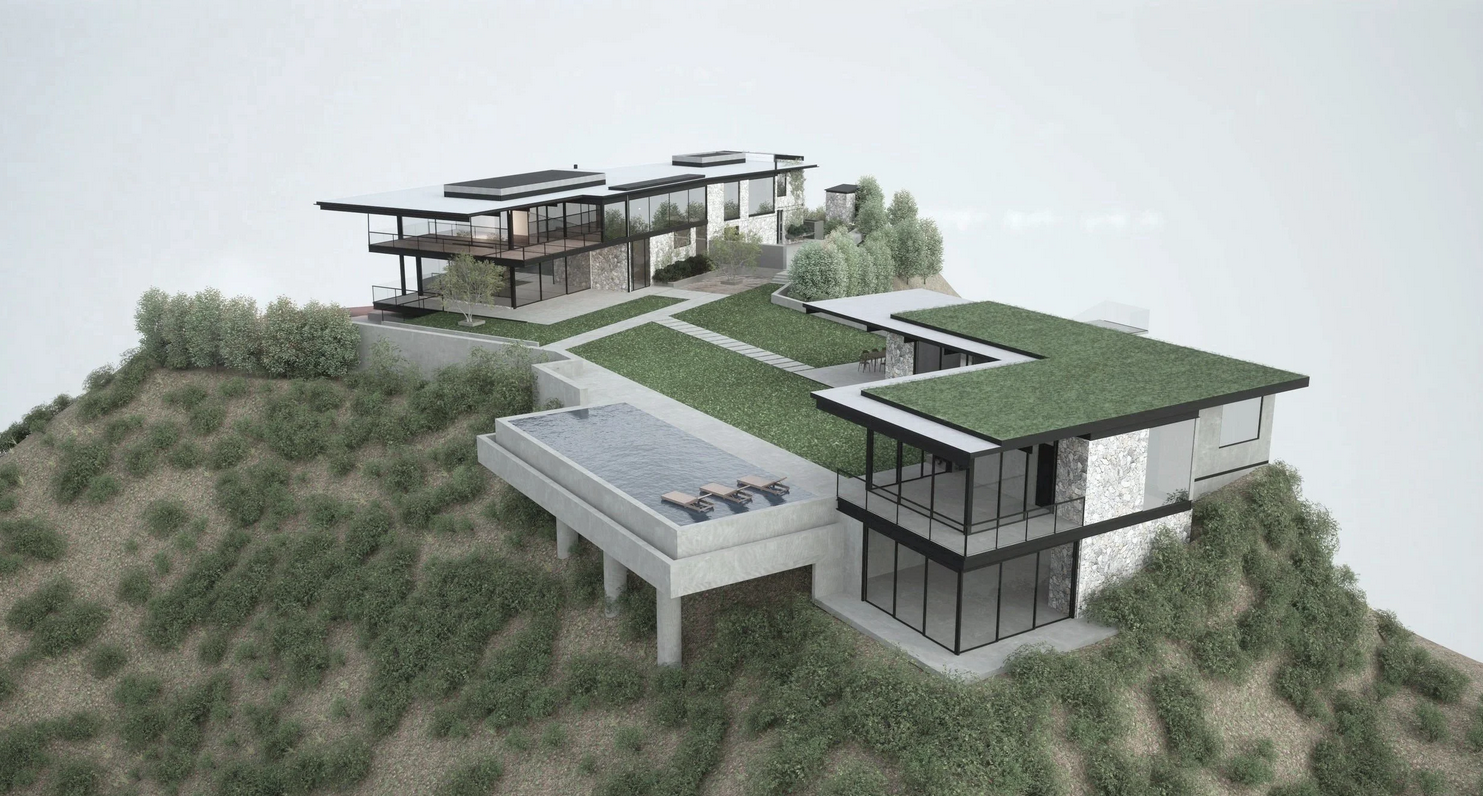
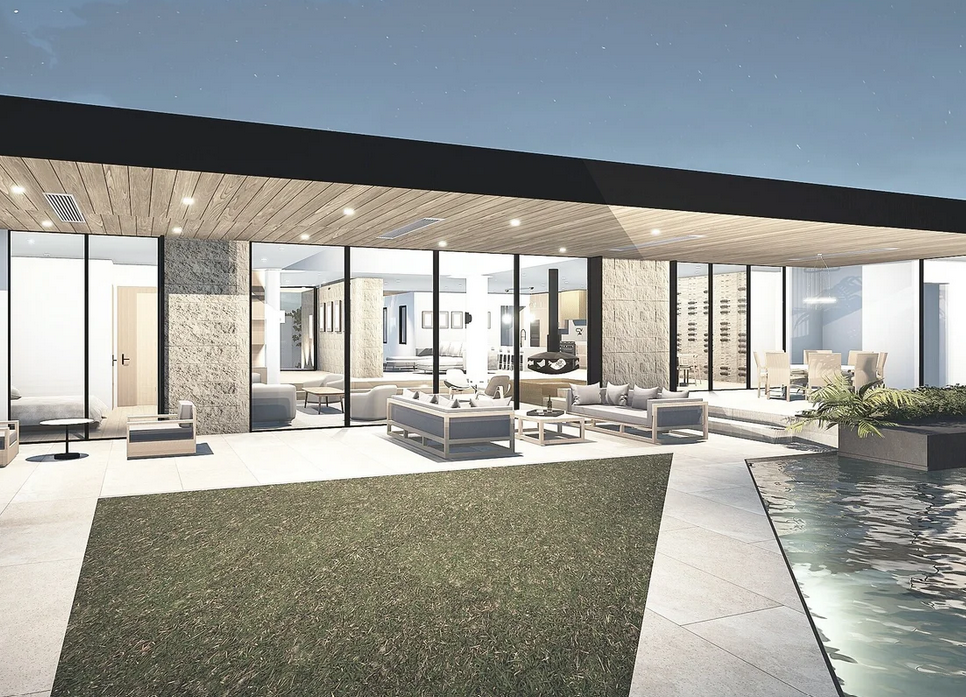
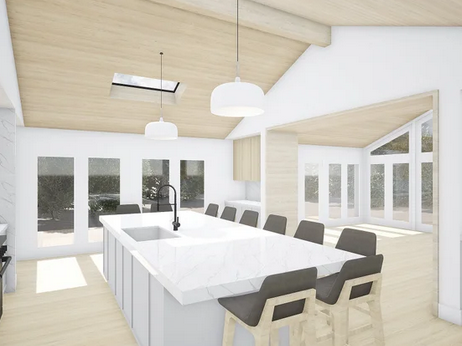
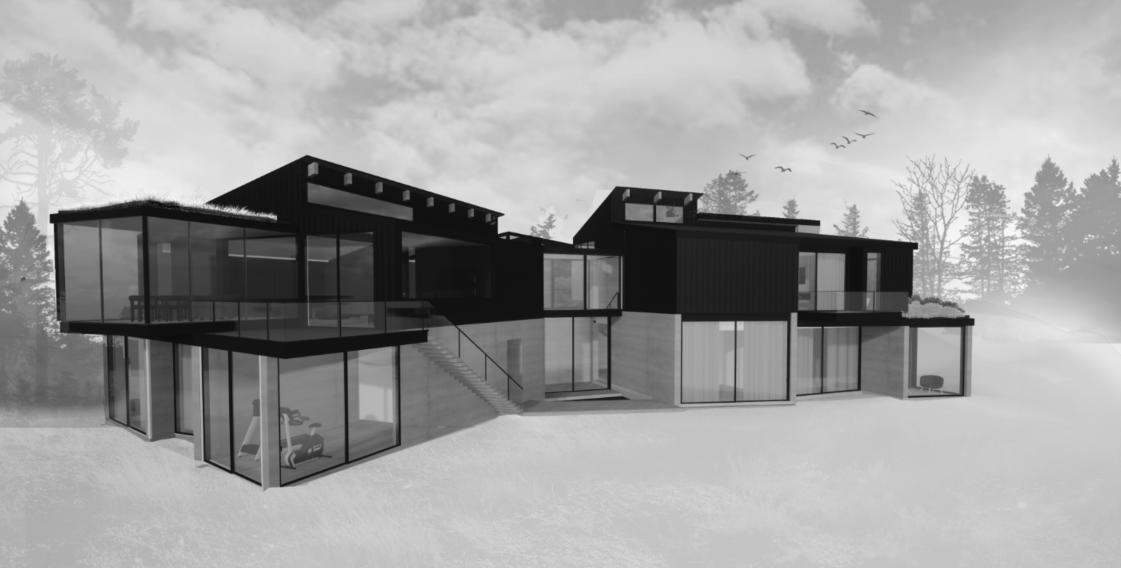
The Schade residence is a luxury single-family project on the bluffs of Cannon Beach, with ambitions for the highest level of comfort and energy performance. Through careful early design assistance I was able to help the architect to optimize and test various envelope arrangements to find the most impactful places to invest for comfort and efficiency. Various systems were analyzed and compared for energy consumption and comfort, ultimately leading to the decision to go with all radiant heating and cooling for premium performance and resilience. Heat-pump water heaters were utilized for maximum hot water efficiency, and energy recovery ventilators delivered the best indoor air quality at the lowest energy cost. High-performance air-water heat pumps produce the hydronic heating and cooling, with radiant heating floors and hydronic fan coil wall units for cooling during peak summer. Overall the building was able to perform at 18 EUI, very high-performance for high-glazing single family building.
An additional analysis was performed to estimate the rooftop solar PV potential, along with basic sizing. It was estimated that 51% of the annual electricity could be offset with rooftop PV, and with an additional 55 ground-mounted panels, the building could offset it’s entire electrical consumption.
A rainwater analysis was performed to see how much irrigation water could be offset by rainwater catchment. It was found that 143,520 gallons of water could be caught from the roof surfaces, which would easily offset the entire irrigation demand with no treatment. With additional treatment and storage, this could be used to offset the entire household water consumption.
Ready to optimize your next project?
Join our network of industry leaders pioneering the future of sustainable design
Related Portfolio